

With a weakening grip on power, can the National Unity Government remain coherent?
Once again, a resolution of the conflict in Afghanistan seems to be at hand. The UAE hosted a round of talks that included an unprecedented level of representation from the Taliban. Doha continues to be a hub of frenetic activity. Russia recently hosted a conference that included the widest array of participation to date. Perhaps, most importantly, the US government effort, led by Zalmay Khalilzad, is generating great optimism. Still, some realities persist. The upcoming election in which Afghans are scheduled to choose its leadership has been the subject of speculation. With a weakening grip on power, can the National Unity Government remain coherent? Can President Ghani govern effectively at a critical time? What are the constraints to American plans for Afghanistan? Can the key powers come together with Afghan parties to establish a sustainable and prosperous future for Afghans?
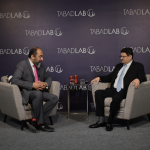
Tabadlab LIVE explored these questions with the former Foreign Minister of Pakistan Hina Rabbani Khar, the former Pakistan Ambassador to Afghanistan Mohammed Sadiq, and former Director at the US National Security Council Joshua White, in conversation with Tabadlab Senior Fellow Mosharraf Zaidi.

Shahab Siddiqi is Director, Human Capital at Tabadlab. He has over 15 years of experience working at the intersection of policy, systems design and public engagement, and leads portfolios spanning policy and regulatory reform, delivery chain design, strategic communications and behavioural science. He translates complex policy goals into data-driven narratives that move decision-makers, shape public discourse and shift behaviours.